
Climate Matters 144
A lighter CM to end the year.

At the close of a year with far more than its share of misery and backsliding, I have resisted the temptation to focus on bad news, and offer a mostly lighter CM.
My heartfelt thanks to all of you who accept CM into your mailbox, and further thanks to those who share CM with others, or who email me with comments and suggestions. I wish you all a joyful and fulfilling holiday.
However, I am drawn to at least summarise the climate stance of NZ’s government by adapting the well-known children’s chant: “Denier, denier, pants on fire.”
“Everything that needs to be said has already been said. But, since no one was listening, everything needs to be said again.” André Gide, French writer
Below you’ll find all of these (and they’re all short-reads!).
The inspirational young (mostly!) people at Lighthouse Aotearoa
A great collection of user-friendly ways to engage with climate
From the “can you believe it?” files 1: listening to the soil and to animals walk
Announcing our Valentine’s Day “Love letter to the World” poetry competition
From the “Can you believe it?” files 2: who owns the Arctic Ocean?
A hotter Tip for a Cooler Planet
Even more on the great cost/benefit ratio of cycling infrastructure
An insightful retrospective from a lifelong journalist
A big thumbs-up for Lighthouse Aotearoa
I first encountered members of Lighthouse Aotearoa as a discussion panel after Nelson’s screening of “Future Council” (great film BTW), and the group so impressed me that I invited them to be guests on my CM radio show.
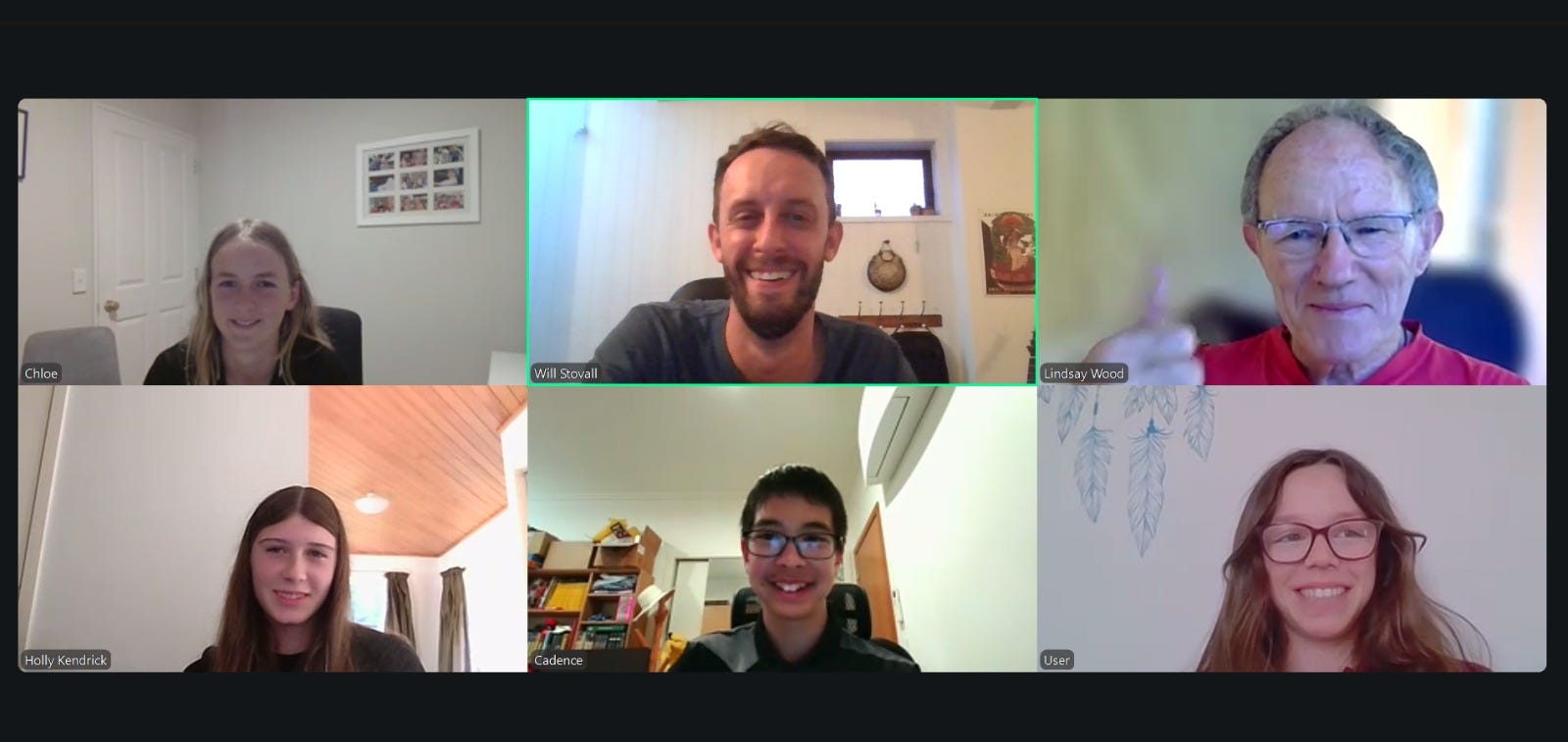
The resultant double interview with Chloe, Amy, Cadence, and Holly, plus their coordinator Will, can be found here (first episode broadcast 8th December, second due 22nd December). More info at Lighthouse Aotearoa: “Empowering the next generation of climate leaders.” Go you guys!
A terrific catalogue of climate resources
I’ve often referenced Katharine Hayhoe’s great newsletters, and her end-of-year special (here) offers a terrific compilation of different ways to engage with climate issues, from books and podcasts to newsletters and activities. (e.g. a 1 min 26 take on COP30 and lots more at “We’re still here so climate change must be a scam …right?” )
“…I had stumbled into a knowledge gap so wide that humanity could fall through it. Soil is a fantastically complex biological structure…” George Monbiot discussing soil properties - see next item
From the “Can you believe it?” files: seismographs, cellphones, and soil
Do check out George Monbiot’s fascinating article “Over a pint in Oxford,” describing a Eureka moment leading to the “The Earth Rover” programme (inspired by the Mars Rover). Monbiot describes using seismographs (earthquake sensors) to identify animals by their footfall; getting instant assessment of elusive soil metrics using a smartphone to listen to someone whacking a steel plate; and reducing the cost of sensors from $10,000 to $100 to $10 to free.
Climate Matter’s “Love Letter to the World” poetry competition

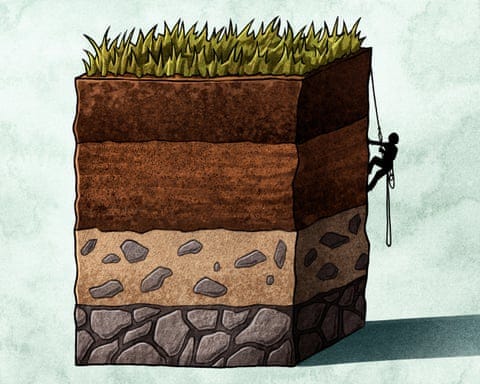
In 2019, inspired by rupi kaur’s beautiful “love letter to the world”, CM ran its first Valentine’s Day poetry competition and I figure it’s time for another. (BTW kaur never uses capitals.) So stir up your creative juices, sharpen your poetry pencils, and get writing! Great prizes: wonderful books plus Chia Sisters outstanding health beverages. We’ll update you further in coming CMs. T&C below.

Poetry competition T&C:
Entry is free. Poems must be the original work of the entrant, with a maximum length of 30 lines. There is no limit on how many entries a person can make.
There are two categories, each with a first and second prize: a) junior (up to and including 13 years old on Valentine’s Day 2026), and b) open.
Poems must be as a PDF attachment to an email with the subject line “poetry competition” and to Lindsay@resilienz.co.nz. Each entry must be clear as to which category they are in, and must be received by Saturday 14th February 2026. Please give the full name of the entrant, and birthdate for junior entrants. Winners will be contacted by email.
While entrants retain copyright in their entries, by entering they grant Resilenz Ltd unlimited free rights to publish the entry in Climate Matters and/or otherwise.
“Use your tears to put out the fires scorching the Earth, and your breath to redirect the waters of your heart towards wellness, justice and harmony.” Dr. Larry Ward, Senior Plum Village Dharma teacher
From the “Can you believe it?” files 2: Who owns the Arctic Ocean?
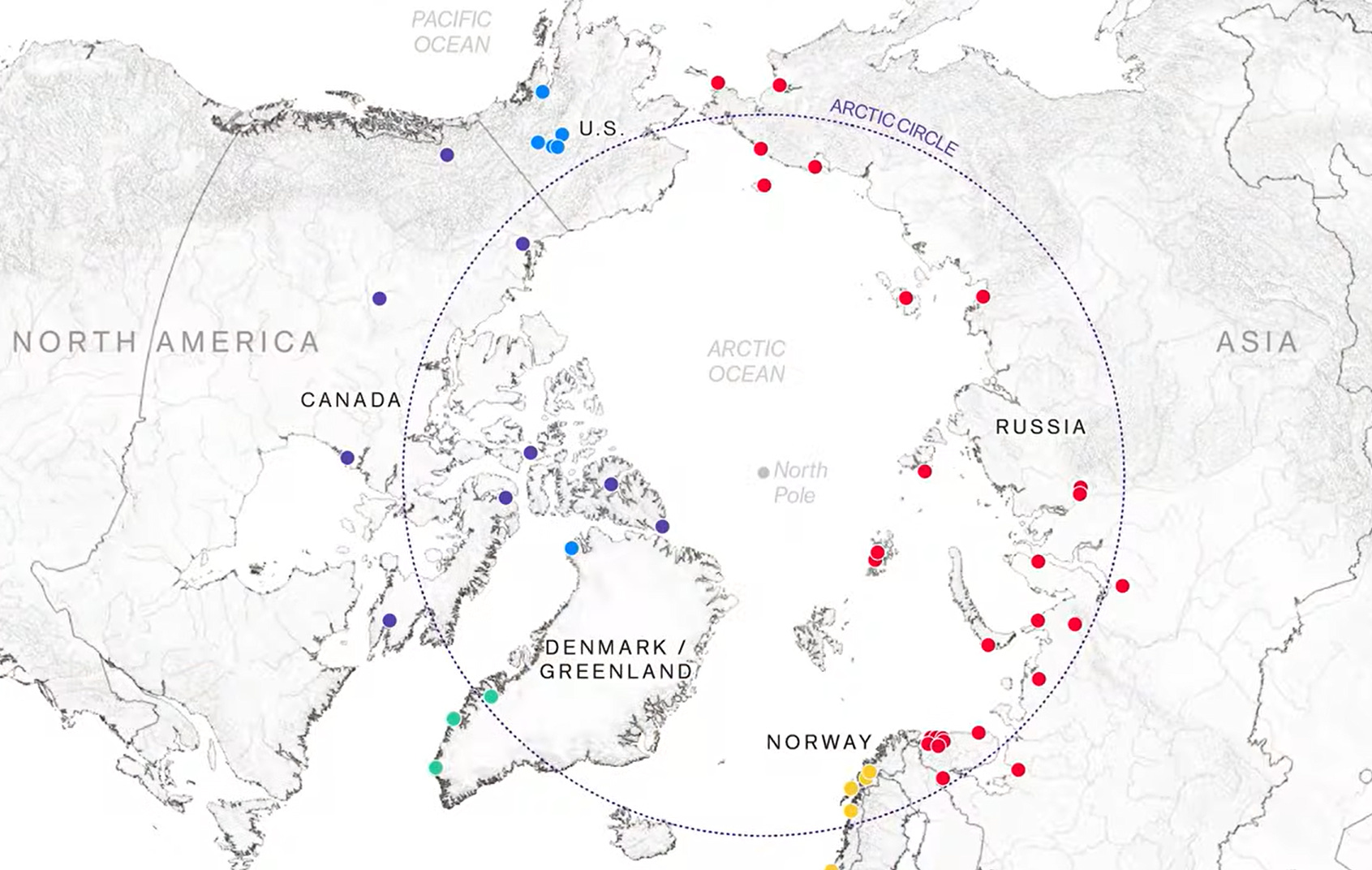
In a bizarre spin on the impacts of the climate crisis, Lieutenant General Richard Levy (19 minutes into the National Emergency Briefing - see Hotter Tip below), discussed the progressive melting of the Arctic sea ice. He then described Russia as claiming that the Arctic Ocean is really a Russian inland sea, while everyone else classifies it as international water. I wouldn’t pretend to guess how that will play out, but it is yet another reason to do our utmost to reverse our home’s overheating (as if we didn’t have reason enough).

Please spend 26 minutes watching Dave Borlace report on the remarkable and crucial “National Emergency briefing” event held recently in London. Every elected politician everywhere, and everyone in media everywhere, should watch it. (Maybe suggest that to politicians and editors in your orbit). Borlace is a very good, and watchable, host.
“Retailers generally overestimate the importance of on-street parking outside shops. Shoppers valued high-quality pedestrian and urban design features in shopping areas more than they valued parking”. December 2025 cycling infrastructure report.
Even more benefits of cycling infrastructure
The key people who seem unaware of the staggeringly good investment offered by good cycling infrastructure for commuters (think better than a 10:1 return) are the politicians who spend precious national funds on roads with a staggeringly poor return on investment (think struggling to reach 1:1).
CM 140 was a cycling special with many references. Here’s yet another, focussing on public support for active travel infrastructure, and including some surprises.
‘I have watched politicians failing yet and yet again’: Paul Brown on 45 years of “lessons from a life as an environment writer.”
The swansong of a long-time journalist and editor in chief
Written from his hospital bed following a terminal diagnosis, Paul Brown’s final column, on 45 years as an environmental journalist and then Editor in Chief with the Guardian, makes for sobering reading. If you are interested in democracy, or in the environment, or in journalism, I urge you to read it. Written by someone with vast experience and nothing to gain (or lose) by pulling his punches, it offers rare and authoritative insights. You can find it here.
“…this pattern of politicians learning the inconvenient truths of climate change and then falling short in the actions required to solve the problem has continued ever since. In fact, with the recent advent of blatant climate deniers, it has got far worse.”